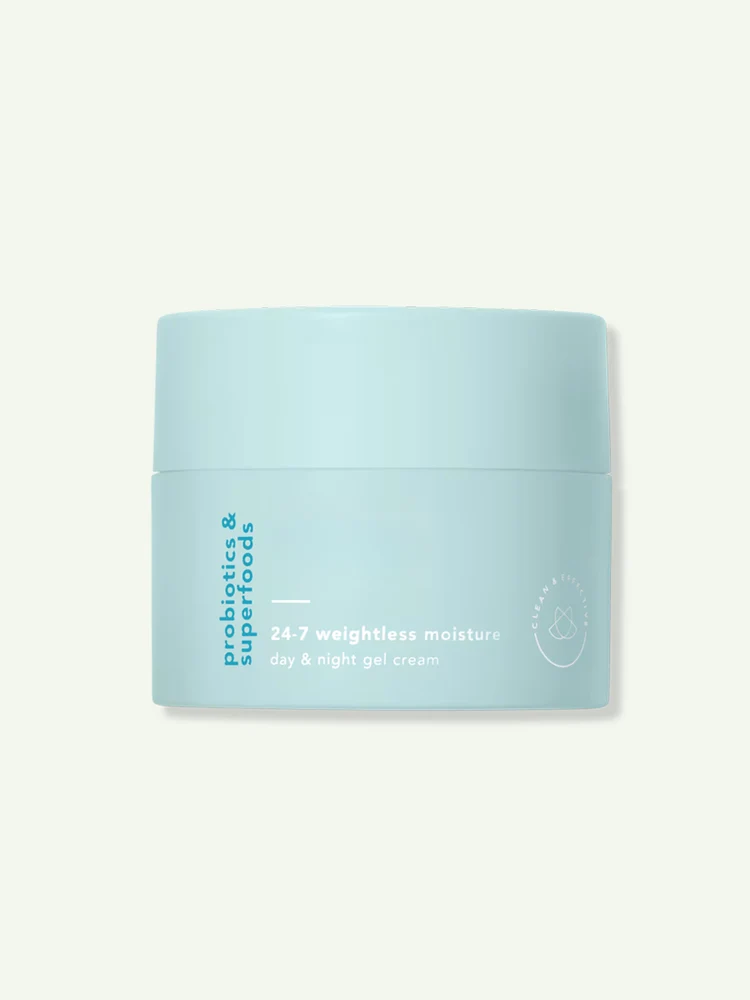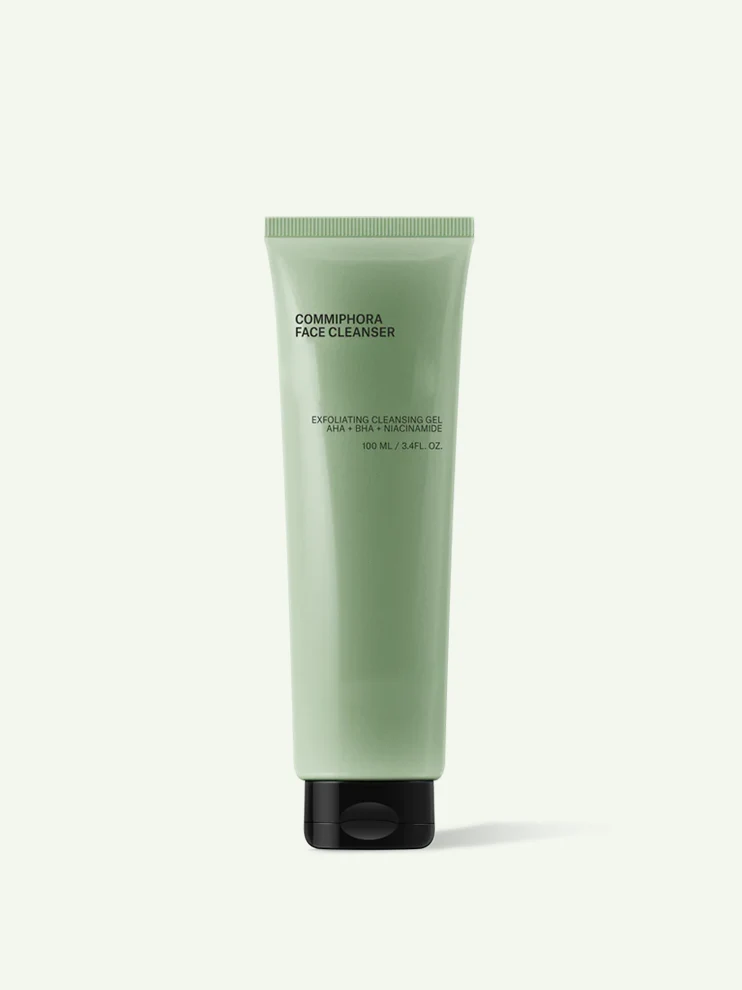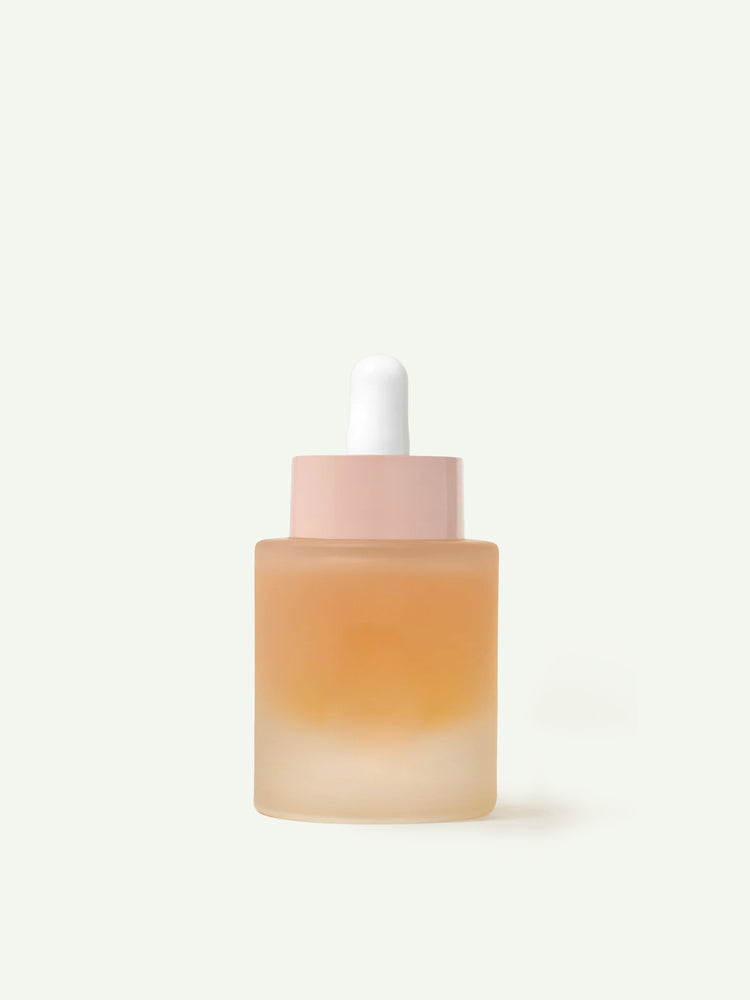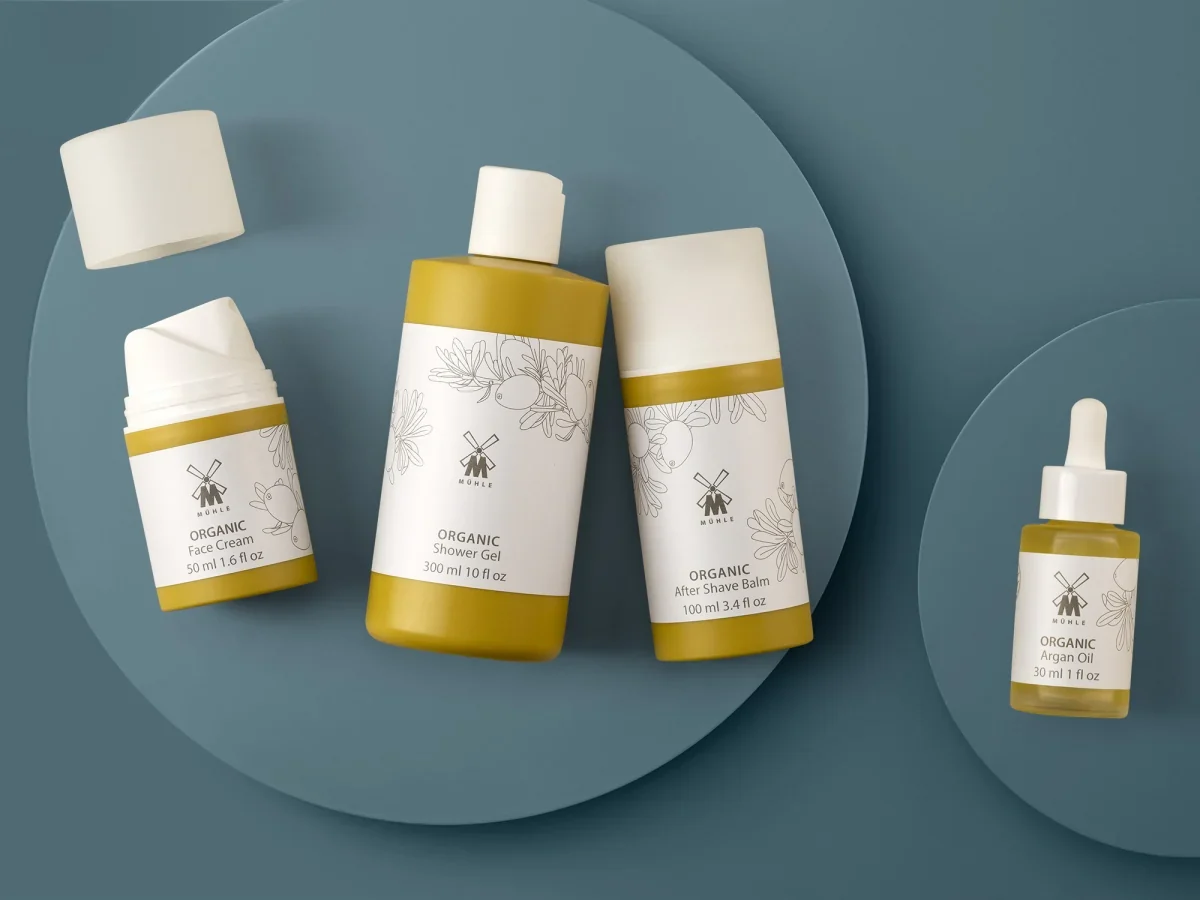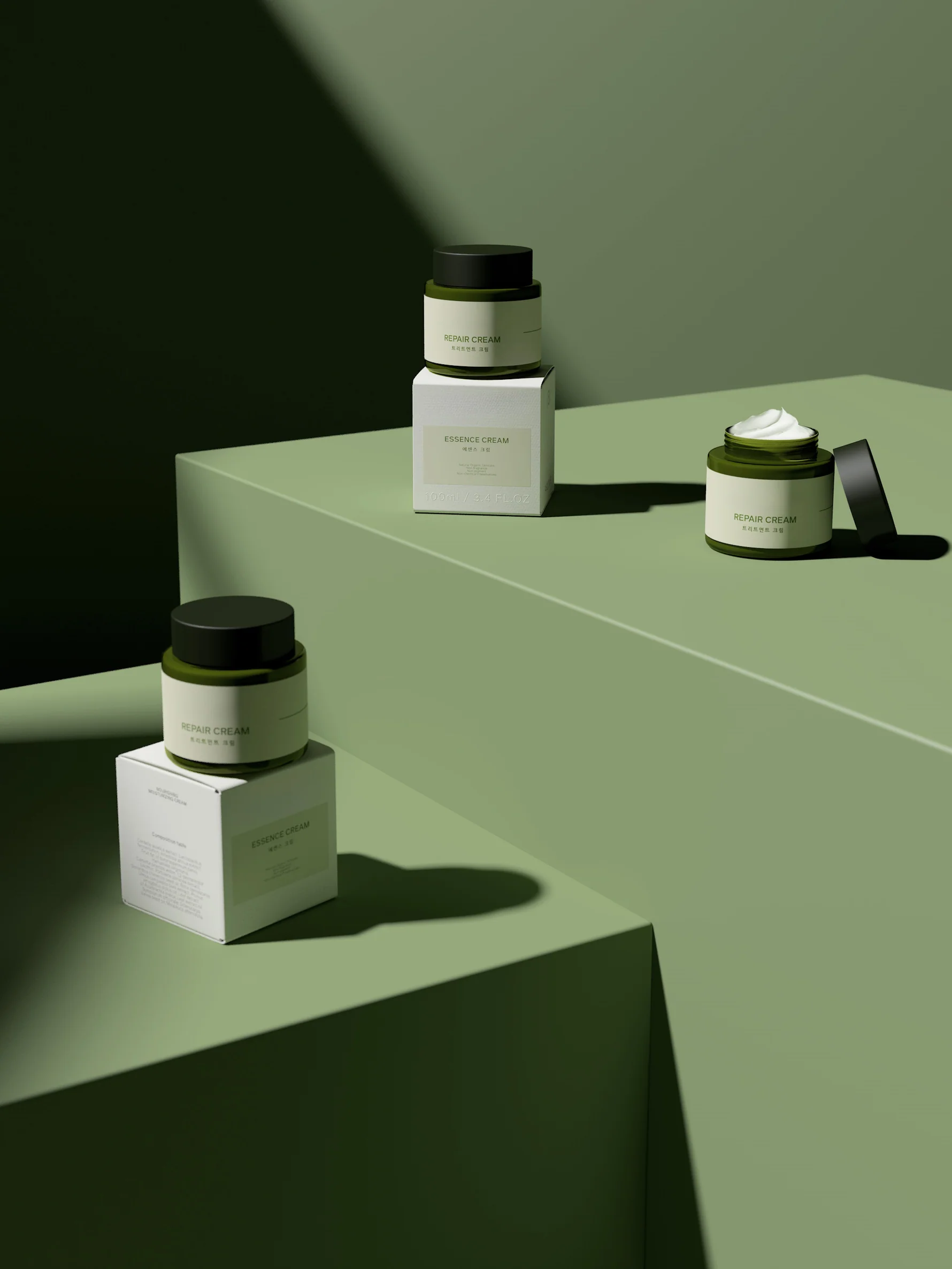
“Matte green with a gold logo” is a useful creative direction. A workable decoration brief also identifies which components it applies to, the references to review and the questions still open. Bring design and purchasing into the same conversation before asking for a finished sample or a quotation.
Map the look to each component
Start with a simple component list: bottle or jar, closure, actuator, collar and any other visible part. Give each one its proposed material, colour direction and surface appearance. If the material has not been selected, mark it as a decision to make instead of treating the reference image as a material specification.
Describe the intended relationship between the parts. Do you want a close colour match across the bottle and closure, or a deliberate contrast? Identify the most important visual reference and any existing products the new pack will sit beside. This gives the sample review a shared starting point.
Prepare a reference the team can review
Provide an available colour standard, a physical reference or a clearly labelled image, and explain which is intended to guide approval. A screen image is useful for communicating direction; ask the supplier how the appearance will be reviewed on the proposed material and finish. Record the approved reference and who can approve a change.
Keep different decisions separate in the brief: the base colour, transparency or opacity, surface finish and decoration. If you are exploring alternatives, label them Option A and Option B and request the scope for each. That is clearer than combining several conflicting reference images without an explanation.
Send organised artwork and placement information
List the brand mark, text and other artwork intended for each component. Include a version name or date, the intended position and an indication of scale. Ask for the actual decoration template, usable area and accepted artwork format before preparing production-ready files.
Ask the supplier to recommend a feasible process for the selected surface, shape and artwork, and to identify its limitations. Confirm how colours, fine details, seams and areas close to edges will be handled. These are review questions, not a guarantee that every requested effect is available. O.Berk describes engineering, decoration and visualisation as related stages of packaging development.
Background reading: O.Berk — engineering and creative services ↗. Manufacturer examples refer to that supplier’s systems.
Agree what the sample is meant to prove
| Review item | What to record |
|---|---|
| Reference | Component, material, colour and finish direction. |
| Artwork | File version, position, orientation and proposed process. |
| Sample purpose | Visual mock-up, decorated sample or production approval sample. |
| Open checks | Questions about adhesion, wear or handling for the intended use. |
| Approval | Reviewer, accepted version and any remaining conditions. |
Separate a visual mock-up from an approved production sample in the project record. Ask which appearance and durability checks are proposed for the intended use, who will perform them and how changes are handled after approval. Do not infer that a photograph proves the finished pack has passed those checks.
For the quotation, share quantities by design and identify any variants that share components or artwork. Request a breakdown of the development and production scope, including any setup, sample or tooling charges. The final process, minimum quantities and timing need confirmation against the actual design.
TAKE THIS INTO YOUR NEXT CONVERSATION
A clear decoration brief links each component to a reference, an artwork version and an approval question.
FROM READING TO YOUR BRIEF
What would you
like to discuss?
Select the questions you want to bring into your enquiry. You can edit the brief before reviewing it.
Choose specific questions, or continue with the full discussion checklist.
Prepare my guest RFQ ↗No account needed. Your existing product shortlist stays with your enquiry.